Understanding the Plain Trolley
A plain trolley is a robust tool essential for industrial settings, offering an efficient means of material transport along beam systems. This article explores its functionality, types, and key benefits, guiding industries in optimizing material handling operations with insights into efficient usage, maintenance, and considerations for selecting suitable trolleys based on specific operational requirements.
Introduction
In industrial settings where efficiency and safety are paramount, the plain trolley emerges as an invaluable asset. Offering a simple yet effective solution for material handling, plain trolleys reduce manual labor and streamline operations. With industries constantly seeking to improve productivity while maintaining safety standards, the significance of plain trolleys cannot be overlooked. This article explores various facets of plain trolleys, including their functionality, applications, and essential considerations for choosing the right one for specific needs. By gaining a comprehensive understanding of these simple yet robust tools, businesses can optimize their processes and enhance material handling efficiency.
What is a Plain Trolley?
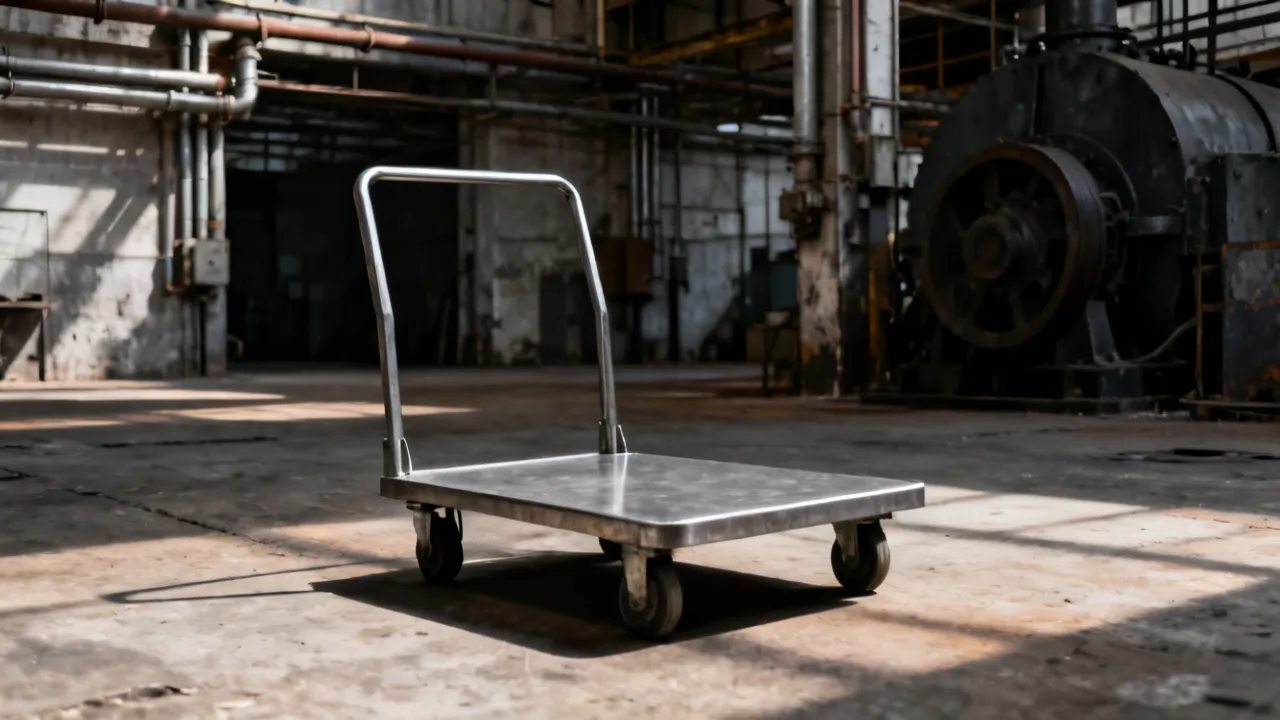
A plain trolley is a robust piece of equipment designed to facilitate the horizontal movement of heavy loads along a beam or runway. Unlike motorized trolleys, plain trolleys rely on manual force to function. This simplicity not only makes them cost-effective but also minimizes maintenance needs. Plain trolleys are integral to various industries, including manufacturing, warehousing, and construction, where they aid in lifting and moving heavy materials efficiently. Their design typically consists of wheels that roll on a track or beam, allowing for smooth movement in diverse operational environments. The ease of use, coupled with their robust construct, allows plain trolleys to meet the extensive demands of industrial operations.
Types and Configurations
Plain trolleys come in several configurations, primarily differentiated by their beam compatibility, load capacity, and wheel design. Each type has unique characteristics that cater to specific applications and work environments. Common types include:
- Push Trolleys: Operated manually by pushing the load along the beam, push trolleys are ideal for light to medium loads. They are lightweight and designed to allow ease of movement in tighter spaces, making them suitable for warehouses and workshops.
- Adjustable Trolleys: These trolleys can be adjusted to fit beams of different sizes, ensuring versatility across various setups. This feature is particularly useful when working with multiple beam types in dynamic environments.
- Single and Double Girder Trolleys: Designed for compatibility with either single or dual beam systems, single girder trolleys have a simpler structure perfect for lighter loads, while double girder trolleys offer enhanced stability and support for heavier loads.
- Heavy-Duty Trolleys: Specifically engineered to handle significantly larger loads, heavy-duty plain trolleys are manufactured with high-strength materials and reinforced structures to ensure safe transport of heavyweight materials.
- Specialized Trolleys: These include variations tailored for specific tasks, such as trolleys designed for hazardous materials, which come with protective features to minimize risk.
Applications Across Industries
The versatility of plain trolleys makes them suitable for a wide array of applications. In warehouses, they are pivotal in moving goods from storage to shipping areas. Their low-profile design allows them to maneuver in tight aisles, where other larger material handling equipment may have difficulty. Meanwhile, in manufacturing plants, they facilitate the transfer of parts along assembly lines, contributing to lean manufacturing principles by minimizing waste and enhancing flow. In automotive plants, plain trolleys are used to transport parts to various stations efficiently, aligning with production schedules. Given their straightforward design, plain trolleys are also favored in construction sites for transporting materials in confined spaces or at varying heights.
In addition to traditional uses, the adaptability of plain trolleys allows them to be utilized in specialized industries, such as healthcare, where they can be employed in moving heavy medical equipment and supplies efficiently from storage areas to treatment rooms. In film production or stage setups, plain trolleys can serve in moving lighting and set pieces quickly during production, showcasing the diverse functionality of these trolleys across different sectors.
Benefits of Using Plain Trolleys
The adoption of plain trolleys in industrial operations is driven by several key advantages, which enhance overall operational efficiency:
- Durability: Crafted from high-strength materials, plain trolleys are built to withstand rigorous use. They are often treated or coated to resist corrosion and rust, extending their lifespan even in challenging environments.
- Cost-effectiveness: Without the need for motorization, plain trolleys reduce energy costs and maintain minimal operational expenses. Their simplicity translates into lower manufacturing costs and, consequently, a lower purchase price compared to complex automated systems.
- Safety: Their design minimizes the risk of mechanical failure, providing a stable platform for transporting heavy loads. This safety feature is particularly important in high-traffic areas or environments with strict safety protocols.
- Ease of Use: With minimal training required, plain trolleys can be operated by personnel quickly. Their intuitive design allows for straightforward loading, maneuvering, and unloading, which is crucial in fast-paced environments.
- Customizability: Many manufacturers offer plain trolleys with customizable options, such as different wheel types for specific floor surfaces or unique coatings for heavier corrosive environments, allowing for specialized use.
Choosing the Right Plain Trolley
Selecting the correct plain trolley involves a thorough understanding of the operational requirements. Key factors to consider include:
- Load Capacity: Ensure that the trolley can safely handle the maximum weight anticipated in operations. This assessment includes understanding the dynamic versus static loads, as dynamic loads (those in motion) require additional considerations to manage weight effectively.
- Beam Compatibility: The trolley must be suited for the specific beam type and dimensions in use. This compatibility ensures smooth operation and prevents undue wear on both the trolley and beam.
- Environmental Conditions: Consider the working environment, such as exposure to moisture or corrosive materials, which may require specific material coatings. Assessing the temperature variations is equally crucial, as extreme conditions might affect material integrity.
- Frequency of Use: Higher frequency of use may necessitate more robust construction and material selection, ensuring durability and reliable performance.
- Workforce Capabilities: Evaluate the skill level of the staff who will be operating the trolley. If the workforce lacks experience or training in manual loading, it may be beneficial to choose a trolley that is easier to maneuver and operate.
Maintenance and Longevity
While plain trolleys are relatively low-maintenance, regular inspections are essential to ensure longevity and safety. Maintenance top practices include:
- Routine Checks: Regularly inspect wheels and bearings for wear and tear. This includes looking for any signs of damage, such as cracks or excessive wear, which could affect performance.
- Lubrication: Periodic lubrication of moving parts to prevent friction and wear is critical. Ensuring that wheel bearings are adequately maintained can extend the trolley's life and maintain efficiency.
- Alignment: Ensure proper alignment with the beam to avoid unnecessary strain and malfunctioning. Misalignment can lead to increased wear on the trolley and beam, causing potential failures or accidents.
- Cleaning: Keep the trolley free of debris that may accumulate over time, as debris can impede its movement and cause damage to the wheels and tracks.
- Training for Users: Regular training sessions for employees on the proper use and handling of plain trolleys can help mitigate misuse and extend the trolley’s lifespan.
FAQs
Q1: What materials are plain trolleys made of?
A1: Plain trolleys are constructed from high-strength steel or aluminum to provide durability and support heavy loads. Some models may also utilize reinforced plastics or other composite materials for specific applications where weight reduction is essential.
Q2: Can plain trolleys be used outdoors?
A2: Yes, but it is crucial that they are designed with weather-resistant materials or coatings to prevent rust and degradation. This includes considering the surface type where the trolley will be operated; rough terrain may require different wheel types.
Q3: How is a plain trolley different from a motorized trolley?
A3: Plain trolleys operate manually and do not require power, whereas motorized trolleys integrate motors that facilitate automated movement. This distinction affects their applications - motorized trolleys are often used in scenarios where heavy loads need frequent handling in a production line.
Q4: Are plain trolleys customizable?
A4: Yes, many manufacturers offer customizable options for plain trolleys, like different wheel types for specific floor surfaces or unique coatings for environmental factors, to meet specialized needs.
Q5: How do I determine the correct size of a trolley for my needs?
A5: Start by assessing the maximum load weight, the type of beam you are using, and the dimensions of your space. Consulting with a supplier can also provide valuable insights and recommendations based on your specific operational conditions.
Conclusion
The plain trolley stands as a testament to effective and efficient material handling solutions. By understanding its functionalities, applications, and advantages, industries can make informed decisions to augment their operational efficiencies. Maintenance and careful selection are pivotal to harnessing the full potential of plain trolleys, ensuring they remain a cornerstone of modern industrial logistics. Additionally, as businesses continue to evolve, the role of plain trolleys in facilitating productivity and enhancing safety standards will likely grow, solidifying their standing as critical components in diverse work environments. Adapting to new technologies, safety protocols, and operational needs will further bolster the relevance of plain trolleys in the ever-changing landscape of industrial operations.
-
1

Explore the Tranquil Bliss of Idyllic Rural Retreats
-
2
Unlock the Full Potential of Your RAM 1500: Master the Art of Efficient Towing!
-
3
Leveraging High-Interest CDs for Optimized Investment Returns
-
4
How to Take Advantage of Debt Consolidation Loans: Key Strategies
-
5
Understanding Debt Consolidation Loans: Weighing Advantages and Disadvantages