Integrating Mpx5700dp with Arduino
This guide explores the seamless integration of the MPX5700DP pressure sensor with Arduino platforms, highlighting critical insights and technical specifications essential for successful implementation. The MPX5700DP sensor, noted for its dynamic performance in pressure measurement, pairs effectively with the versatile Arduino, a key player in the realm of open-source electronics platforms designed for interactive projects.
Understanding the MPX5700DP Pressure Sensor
The MPX5700DP is designed for precise pressure measurement, making it a valuable component in numerous applications. This sensor is ideal for use in engineering projects that require accurate atmospheric pressure data, a necessity fulfilled efficiently when integrated with Arduino boards due to its user-friendly programming environment and ample libraries. Its design allows for differential pressure measurement, meaning it can measure the pressure of a fluid relative to another reference fluid, which is particularly useful in various industrial settings. The sensor's ability to provide real-time data makes it a critical component for systems that necessitate continuous monitoring of pressure levels.
Features and Specifications
Delving into the technical specifics, the MPX5700DP sensor offers a wide measuring range from 0 to 700 kPa, making it perfect for tasks demanding precision and reliability. The sensor's differential configuration allows it to measure pressure relative to a reference point, providing robust solutions for various engineering and scientific experiments. The MPX5700DP features a highly sensitive piezoresistive sensing element, which offers a linear output over its specified pressure range. Furthermore, it has a temperature coefficient that ensures performance stability across a wide range of temperatures, which is critical in applications where both pressure and temperature can vary significantly. This stability broadens its applicability in demanding environments.
Integrating MPX5700DP with Arduino
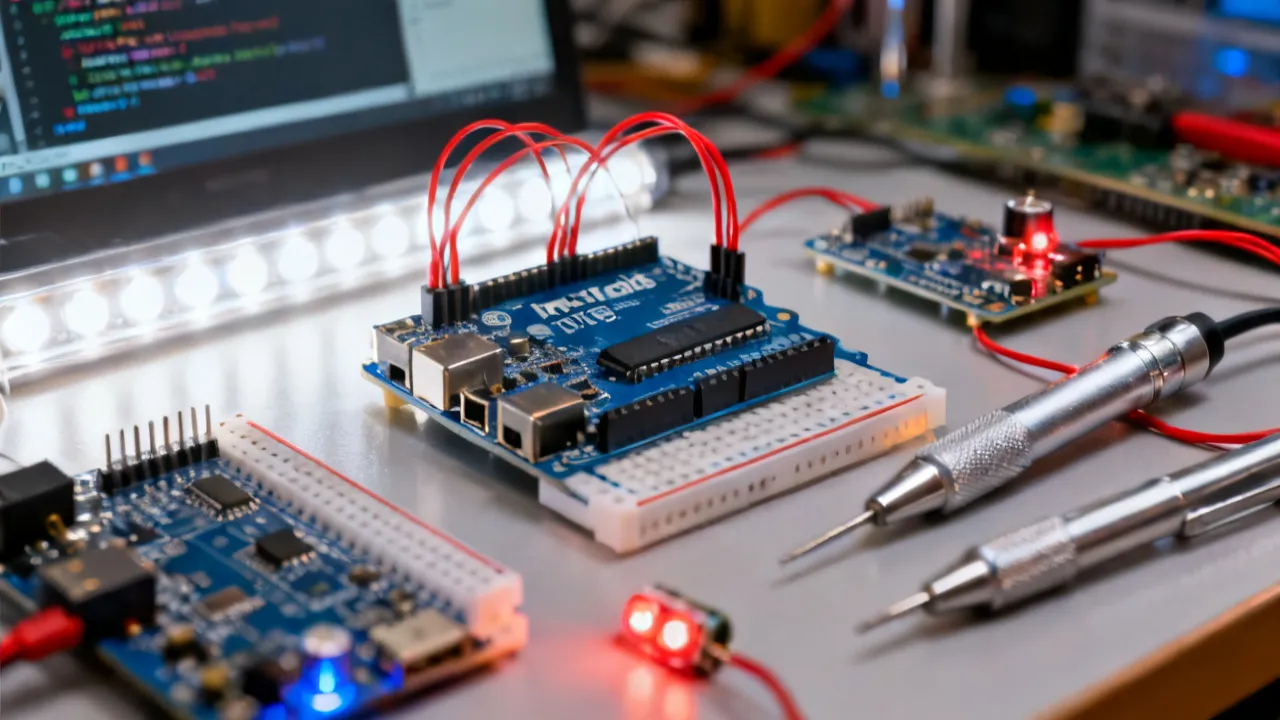
Pairing the MPX5700DP with an Arduino board enhances its utility, enabling intuitive interaction through programming. Arduino shields and libraries support seamless integration, offering a straightforward way to extract data that can be used for various purposes, from hobbyist projects to professional applications. The integration process is relatively uncomplicated due to the straightforward nature of both the sensor and the Arduino architecture.
- Start with choosing the right Arduino board—UNO or Mega are popular choices due to their versatility and support. The UNO board is excellent for beginners, while the Mega can handle more extensive projects requiring additional input/output ports.
- Use jumper wires to connect the sensor’s ports to the Arduino pins, ensuring a proper interface with the analog or digital inputs. Specifically, if you're using an analog input, ensure the output pin of the MPX5700DP is connected to one of the analog pins on the Arduino.
- Utilize the Arduino IDE to write and upload code that can read and process data from the sensor, leveraging libraries that simplify interaction with sensor data. Libraries like 'MPX5700DP.h' can streamline this process, enabling you to kickstart your project with minimal code.
- Employ serial monitoring to observe and fine-tune the readings, ensuring the sensor's voltage outputs are accurately interpreted by the board. This step is crucial for debugging any inconsistencies in the readings and ensuring that calibration is precise.
Practical Applications
The MPX5700DP coupled with Arduino opens doors to countless applications, from monitoring environmental conditions in DIY weather stations to complex research-oriented projects that demand precise data logging. Its power lies in adaptability, allowing it to be employed in fields as disparate as automotive, agriculture, and industrial automation.
For instance, in the automotive sector, this sensor can provide crucial data on various engine and wheel pressures, leading to enhanced vehicle safety and performance. In agriculture, it can be used in automated irrigation systems, adjusting water levels based on current atmospheric pressure conditions, thereby optimizing resource usage and fostering sustainability. Furthermore, in industrial automation, the MPX5700DP can be incorporated into systems that manage pressure in hydraulic machines or pneumatic systems, improving efficiency and safety.
In a more localized context, makers and hobbyists can use the MPX5700DP in building innovative projects such as barometers that measure atmospheric pressure and predict weather changes, or even in robotics to ensure that robotic arms operate under correct pressure ranges when performing tasks. Thus, the versatility of this sensor not only embraces professional and commercial applications but also enriches the capabilities of amateur projects, providing a broad scope for creativity and practical engineering.
Comparison Table of Key Attributes
| Attribute | MPX5700DP |
|---|---|
| Pressure Range | 0-700 kPa |
| Interface | Analog |
| Compatibility | Arduino, Raspberry Pi, etc. |
| Accuracy | ±0.25% of span |
| Operating Temperature | -40°C to 125°C |
| Output Sensitivity | 0.5 mV/kPa |
FAQs
Q: What is the power requirement for the MPX5700DP sensor?
A: The MPX5700DP requires an input voltage of 3V to 5V, making it compatible with most standard microcontrollers and allowing for flexibility in a range of applications.
Q: Can the MPX5700DP be used underwater?
A: While designed for high-pressure environments, the MPX5700DP is not waterproof and should be protected from direct exposure to water. In scenarios where moisture is present, consider using protective casings or barriers to ensure sensor longevity.
Q: How to calibrate the MPX5700DP with Arduino?
A: Calibration involves using known pressure values and adjusting your program output to match these readings accurately, typically done using serial monitoring. It's essential to record the output from the sensor at several known pressure points and create a calibration curve for best accuracy in your application.
Q: What are the main differences between the MPX5700DP and other pressure sensors?
A: The main differences lie in the pressure range, output type, and sensitivity. While many sensors might offer similar pressure ranges, not all achieve the same precision or operate effectively across a wide temperature range. Evaluating the specific needs of your project, including environment and application, will help determine the most suitable sensor.
Q: Is it necessary to use a voltage regulator with the MPX5700DP?
A: While the MPX5700DP can operate directly off the Arduino's 5V supply, using a voltage regulator can provide a stable voltage supply, minimizing fluctuations that could affect sensor readings. This is especially important in sensitive measurement applications.
Real-world Project Ideas Using MPX5700DP and Arduino
With its versatile capabilities, the MPX5700DP can be utilized across various innovative projects that can enhance learning and provide real-world applications.
1. DIY Weather Station
One of the most practical projects is building a DIY weather station. By integrating the MPX5700DP with an Arduino, users can create a system that not only measures atmospheric pressure but also logs data over time. By compiling this data alongside temperature and humidity sensors, users can track weather patterns and share their findings via a web interface or app.
2. Automotive Tire Pressure Monitor
Automotive enthusiasts can employ the MPX5700DP to create a tire pressure monitoring system. This can involve placing the sensor inside the tire assembly (ensuring it's adequately shielded against moisture and extreme temperatures). With an Arduino, the system can visually notify drivers of low tire pressure, thereby enhancing safety on the roads.
3. Hydroponic System Monitoring
Hydroponic farming processes require careful monitoring of both nutrient levels and environmental conditions. By using the MPX5700DP, farmers can measure the pressure of nutrient solutions, facilitating optimal conditions for plant growth. Coupling this sensor with other environmental sensors like light and pH levels creates a comprehensive monitoring tool for hydroponic systems.
4. Robotics Projects
Students and hobbyists looking to incorporate pressure sensing in robotics can use the MPX5700DP to ensure that robots do not apply too much force during operations. This sensor can be integrated into robotic arms to help manipulate objects delicately, reducing the risk of damage to fragile items. Fine-tuning robotic movements based on pressure feedback takes robotic functionality to new heights, enhancing both safety and efficiency.
Tips for Successful Implementation
When embarking on projects that require the use of the MPX5700DP, consider the following tips to ensure a successful implementation:
- Always double-check your wiring before powering up the Arduino, as incorrect connections may damage the sensor or the board.
- Experiment with different calibration methods to determine the most accurate results for your specific application. This may involve testing under varying conditions to see how the sensor responds.
- Implement data logging and analysis features in your Arduino projects to collect valuable information over time and create valuable insights or trends based on pressure readings.
- Incorporate visual or audio alerts in your projects to signal when certain pressure thresholds have been reached. For instance, an alarm could sound when tire pressure drops below a safe level.
- Consult community forums or documentation if you face challenges during your project development. The Arduino community is vast and often provides useful insights and troubleshooting tips.
Conclusion
Integrating the MPX5700DP sensor with an Arduino platform presents a powerful solution for creating advanced pressure measurement systems. Its straightforward interfacing process coupled with the expansive Arduino ecosystem allows engineers and hobbyists to develop innovative applications with ease. Whether for educational purposes or professional-level applications, mastering the use of this technology can significantly broaden one's capability to monitor and analyze environmental conditions accurately. The potential to learn from real-time data and implement solutions in diverse fields emphasizes the importance of adopting technology like the MPX5700DP in practical scenarios. By embracing such sensors, individuals and organizations can lead the charge in advancing projects that contribute to societal needs, technological growth, and environmental monitoring, shaping a better-informed world.
-
1

Explore the Tranquil Bliss of Idyllic Rural Retreats
-
2
Unlock the Full Potential of Your RAM 1500: Master the Art of Efficient Towing!
-
3
Leveraging High-Interest CDs for Optimized Investment Returns
-
4
How to Take Advantage of Debt Consolidation Loans: Key Strategies
-
5
Understanding Debt Consolidation Loans: Weighing Advantages and Disadvantages