Understanding the Plain Trolley's Utility
This article delves into the functionality and importance of plain trolleys, which are essential components in many industrial and warehouse settings, renowned for their simplicity and utility. These devices are primarily used to move goods efficiently along fixed paths, playing a crucial role in improving operational workflows and ensuring safety in material handling environments.
An Introduction to Plain Trolleys
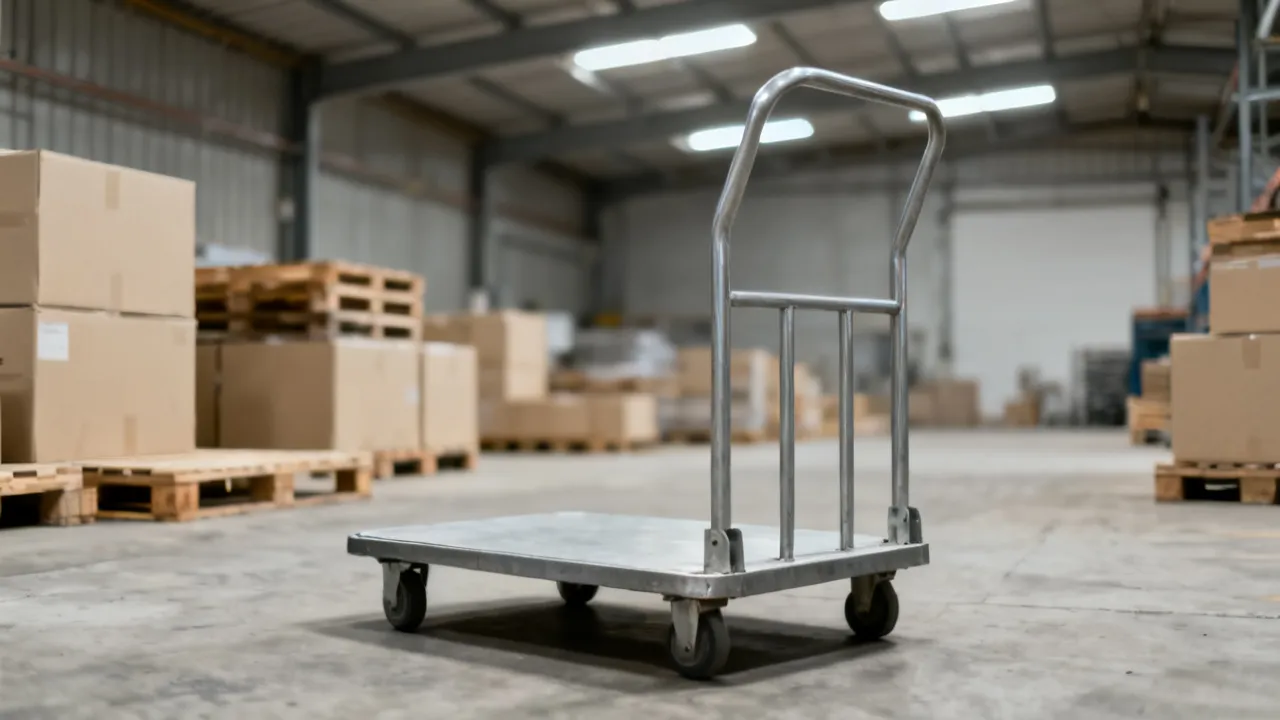
Plain trolleys serve as indispensable tools in many industrial environments, particularly within warehouses. These devices are devoid of complex mechanisms or electrical components, hence the name "plain" trolley. Their straightforward design ensures reliability, making them ideal for transporting goods over horizontal tracks. Unlike motorized models, plain trolleys are manually operated, offering flexibility and control to their users. This simplicity not only allows for ease of operation but also significantly reduces the potential for breakdowns, making them an efficient choice for organizations focused on minimizing operational disruptions.
The Role of Plain Trolleys in Material Handling
In industrial settings, the efficiency of product storage and retrieval processes is paramount. Plain trolleys enhance this efficiency by allowing workers to transport heavy and bulky items with ease. These trolleys are typically mounted on beams or girders and glide smoothly due to their high-quality wheels, minimizing obstructions and reducing the physical strain on operators. Their use can lead to faster completion of tasks, as workers can move multiple items at once, optimizing the workflow and improving productivity on the shop floor.
Design and Features of Plain Trolleys
Despite their basic design, plain trolleys are crafted from robust materials such as steel or aluminum to withstand heavy loads. They often feature adjustable components to fit various beam sizes, ensuring versatility in different operational settings. The simplicity of the design reduces the maintenance requirements, thereby ensuring long-lasting performance and reliability in the field. Additionally, many plain trolleys come with features such as hooks, safety locks, and ergonomic handles, which enhance usability and safety during operation. The ability to customize aspects of the trolley also allows companies to adapt their material handling tools to their specific needs, significantly maximizing efficiency.
Industries Primarily Utilizing Plain Trolleys
- Warehousing and Logistics: Plain trolleys are frequently used in warehouses for the efficient movement of goods along storage racks. The lack of electrical components makes them a robust choice for environments where power sources may be limited. Warehouses often also benefit from the fact that plain trolleys can be easily maneuvered around tight corners and narrow aisles, which is crucial in maximizing storage space.
- Manufacturing: In manufacturing plants, plain trolleys contribute to assembly processes by aiding in the movement of parts and raw materials from one workstation to another. Their ability to accommodate different load sizes makes them particularly valuable in settings where components are frequently changed or adjusted throughout the production line.
- Construction: These trolleys assist in transporting building materials across construction sites, especially in areas where the terrain makes it difficult for powered vehicles to navigate. Their portability allows workers to transport equipment and materials to remote locations, facilitating a more efficient workflow and reducing downtime caused by transportation issues.
- Aerospace Industry: In aerospace manufacturing, plain trolleys are crucial for shifting heavy components like fuselages or wing sections. Their robust design can support the intricate and weighty parts that are typical in this industry.
- Food Processing: Some food processing units use plain trolleys to move bulk ingredients around, as they can be easily cleaned and maintained to meet health standards.
Key Benefits of Using Plain Trolleys
Plain trolleys' primary advantages are their ease of use and operational flexibility. Users can move them easily along predefined paths without requiring technical skills, reducing training time. Their low maintenance needs also translate into cost savings over time—factors that are critical for businesses looking to optimize their operational budgets. The absence of electrical components ensures reliability in remote environments, where traditional power sources may be problematic. Furthermore, the relatively low cost of acquisition compared to motorized alternatives allows businesses to invest in multiple units, thus increasing the efficiency of the material handling process across large operations.
Advantages Over Electrified Alternatives
While motorized trolleys offer their own set of benefits, plain trolleys stand out due to their simplicity and cost-effectiveness. Without the need for electricity, these trolleys excel in adaptability, capable of functioning during power outages and in non-electrified environments. This reduces operational dependencies and increases reliability. In hazardous environments, where electrical equipment may pose additional risks, plain trolleys provide a safer alternative for materials handling, allowing companies to adhere to safety regulations without sacrificing efficiency.
A Comparison of Trolley Types
| Trolley Type | Primary Features | Suitability |
|---|---|---|
| Plain Trolley | Manual operation, no electrical components, durable construction, customizable features | Warehousing, general material handling, construction, aerospace, and food processing |
| Motorized Trolley | Powered movement, requires electricity, higher load capacity, often equipped with advanced control features | Heavy-duty and high-volume environments, assembly lines in large manufacturing warehouses where speed is crucial |
| Chain Hoist Trolley | Chain-driven operation for heavy lifting, adjustable to fit various types of beams | Heavy lifting applications in construction and large manufacturing setups |
| Pneumatic Trolley | Utilizes air pressure for movement, may require compressed air source, often lighter and easier to maneuver | Ideal for smaller loads and in environments where portability is a priority |
FAQs
- What is a plain trolley used for?
Plain trolleys are primarily used for transporting goods along fixed paths within warehouses and industrial settings. They offer manual control and are known for their simplicity and durability. In many cases, organizations have found that they can significantly reduce labor costs by implementing plain trolleys for moving goods rather than relying on forklifts or similar equipment.
- How does a plain trolley differ from a motorized trolley?
Unlike motorized trolleys, plain trolleys are manually operated and do not require electricity, making them ideal for environments without power access. Motorized trolleys may operate at higher speeds and carry heavier loads, but their reliance on electrical power can lead to increased operational costs and the need for additional maintenance. Plain trolleys, being purely mechanical, operate more reliably in challenging environments.
- What maintenance is required for a plain trolley?
Basic routine checks and occasional lubrication of the wheels and bearings are usually sufficient to maintain optimal plain trolley performance. Checking for signs of wear and tear, tightening loose parts, and cleaning the trolley regularly will help prolong its lifespan. This minimal maintenance requirement is a significant advantage over motorized alternatives, which often have complex components that need regular upkeep.
- Can plain trolleys be customized?
Yes, many plain trolleys can be customized to fit specific operational needs. Adjustments can include modifying the size of the trolley, adding safety features such as brakes and locks, or incorporating additional accessories like shelves or hooks to facilitate the handling of different types of materials.
- What weight can a plain trolley handle?
The capacity of a plain trolley can vary widely depending on its design and manufacturing specifications. While lighter models may handle loads of a few hundred pounds, many industrial-grade plain trolleys can easily transport loads exceeding several tons. It’s crucial for users to assess load requirements and select a trolley that meets operational demands safely.
Conclusion
Plain trolleys play a vital role in increasing the efficiency of logistics and manufacturing operations. Through their innovative yet simple designs, they provide significant benefits that include ease of use, reliability, and low maintenance. The investment in plain trolleys can yield considerable cost savings and enhance productivity across various industrial applications. It’s evident that while advances in technology have brought about numerous alternatives, plain trolleys continue to hold a niche for their unrivaled functionality and durability. Many industries appreciate the fundamental role that these trolleys play in ensuring smooth operations, emphasizing the need for these simple yet vital tools in a wide array of work environments.
Future Trends in Plain Trolley Design
As industries evolve, so too does the design of plain trolleys. Future trends may include lightweight materials that increase ease of use without sacrificing strength. Additionally, manufacturers are exploring innovative features such as integrated safety mechanisms to further minimize workplace injuries associated with material handling. There's also a growing interest in eco-friendly materials and designs, which can appeal to companies focused on sustainability practices. Ergonomics will take center stage as well, ensuring that trolleys are not just functional but also reduce physical strain on employees during operation.
The Importance of Training for Trolley Usage
While plain trolleys are simple to operate, proper training cannot be overlooked. Employees who understand the correct techniques for using these trolleys will reduce the risk of accidents and ensure that loads are handled securely. Organizations are encouraged to provide training sessions that cover not only the operational aspects of plain trolleys but also best practices for workplace safety, load management, and maintenance tips. This investment in training echoes the commitment to a safer and more efficient workplace environment.
Case Studies: Plain Trolleys in Action
To genuinely appreciate the value of plain trolleys, a look at real-world applications can be illuminating. Case studies of companies that have integrated plain trolleys into their workflows reveal patterns of success driven by these tools. For example, a mid-sized warehouse experienced a 30% decrease in loading and unloading times after implementing manual plain trolleys into their operations. Similarly, a construction company reported that utilizing plain trolleys for building material transport significantly minimized worker fatigue and related injuries, leading to reduced sick leave and higher morale on job sites.
Best Practices for Choosing and Implementing Plain Trolleys
When selecting plain trolleys for an operation, it’s essential to consider the nature of the load, the distances involved in transportation, and the specific environment where the trolley will be used. It can be beneficial to consult with suppliers or industry experts to assess the unique needs of the application. Once selected, organizations should implement a strategy for integrating the trolleys effectively into their logistics workflow, potentially through pilot testing and gradual scaling based on user feedback. Ultimately, adapting the selection and use of plain trolleys can lead organizations toward achieving greater efficiency and safety standards in material handling.
-
1

Explore the Tranquil Bliss of Idyllic Rural Retreats
-
2
Unlock the Full Potential of Your RAM 1500: Master the Art of Efficient Towing!
-
3
Leveraging High-Interest CDs for Optimized Investment Returns
-
4
How to Take Advantage of Debt Consolidation Loans: Key Strategies
-
5
Understanding Debt Consolidation Loans: Weighing Advantages and Disadvantages