Understanding the Plain Trolley
Explore the world of plain trolleys, essential tools for material handling. A plain trolley is a device often used in industrial and commercial settings to transport heavy loads with efficiency and ease. Its design allows it to run on overhead beams, improving workplace safety and efficiency. This article delves into its construction, uses, and selection criteria, providing in-depth insights for optimal utilization.
The Basics of Plain Trolleys
In the realm of material handling, plain trolleys stand out as indispensable components of industrial and commercial operations. These devices are specifically designed to travel along a beam, allowing for the efficient movement of heavy loads. Their simplicity of design, combined with robust functionality, makes them a preferred choice for many firms looking to enhance their logistical processes. Plain trolleys provide a flexible solution for various lifting tasks, making them versatile tools in industries ranging from manufacturing to construction.
Design and Functionality
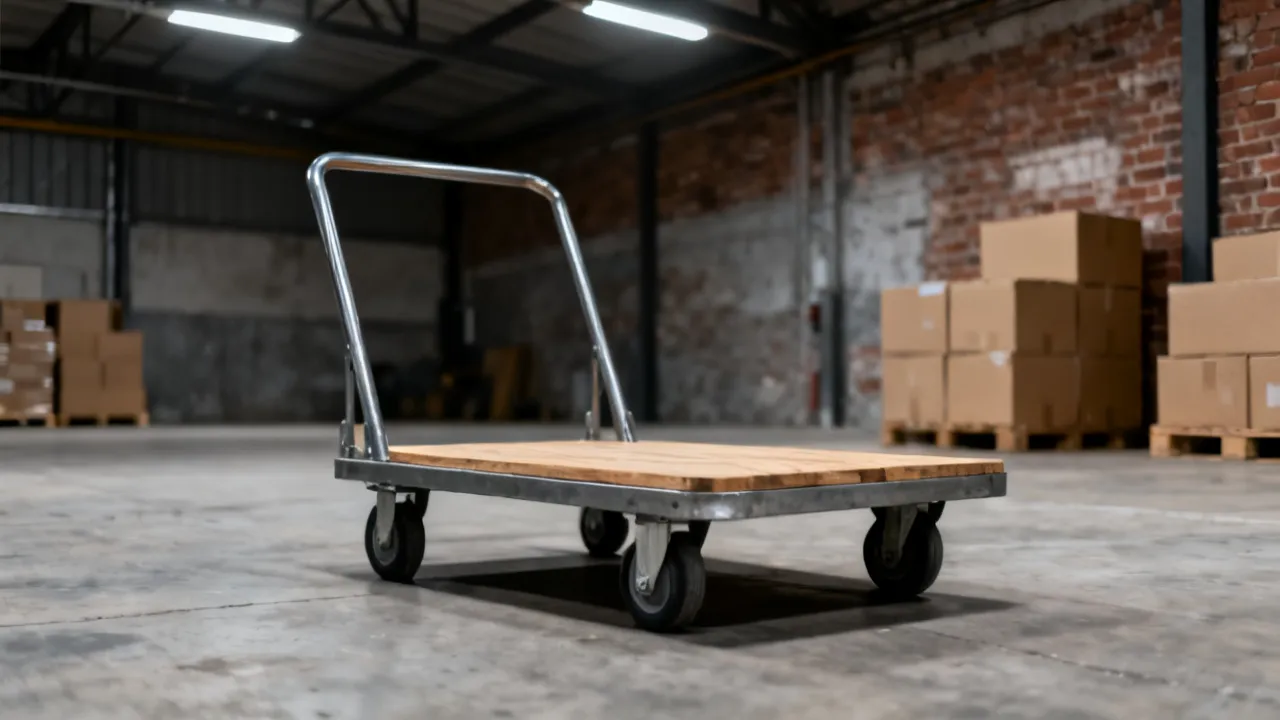
A plain trolley typically comprises a framework of durable materials such as steel or aluminum, fitted with wheels that allow it to glide smoothly along an overhead beam or rail. A crucial aspect of their design is the wheel architecture, which can vary to accommodate different surface conditions. The wheels can be designed with ball bearings for smoother movement or have different tread patterns for better traction, depending on the intended use.
Unlike powered options, plain trolleys operate manually, which makes them less prone to mechanical failures and easier to maintain. Manual operation implies a less complicated system without the need for electrical components, providing reliability in environments where power supply may be uncertain. This operational method also encourages operators to engage more physically with the equipment, which can enhance their understanding and awareness of loads. This human element can be critical in ensuring safety in environments with heavy lifting needs.
This manual operation does not undermine their efficiency; instead, it underscores reliance on robust construction and ease of maneuverability. The design focuses on minimizing friction and maximizing the ease of movement, helping operators to maneuver heavy materials with less hand effort. When considering functionality, one must also note the ease with which these trolleys can be detached from the beam, allowing for quick load transfers and repositioning when necessary.
Applications in Industry
Primarily found in warehouses, manufacturing plants, and construction sites, plain trolleys are used to move various types of heavy machinery, raw materials, or finished goods. Their ability to navigate tight spaces and transport heavy loads makes them invaluable in industries that require regular movement and precise placement of items. For example, in automotive manufacturing, plain trolleys are often employed to transfer parts from one assembly station to another, enhancing productivity in a fast-paced environment.
Another notable application is in the storage of goods. Many warehouses use plain trolleys to facilitate the movement of materials stored on high racks. Operators can easily attach or detach loads, allowing for efficient inventory management. Additionally, plain trolleys have significant utility in the construction industry, where they help move heavy building materials like steel beams and concrete blocks, ensuring that workers can transport these items quickly and safely.
Moreover, plain trolleys are valuable in maintenance operations within factories. They enable workers to shift equipment, tools, and spare parts seamlessly to different sections, making repairs and upkeep more efficient. The mobility that plain trolleys provide not only accelerates processes but also reduces the risk of workplace injuries associated with lifting heavy items manually.
Choosing the Right Plain Trolley
When selecting a plain trolley, several factors need consideration to ensure it meets specific operational requirements:
- Load Capacity: It's crucial to choose a trolley based on the maximum load it will need to carry. Overloading can lead to equipment failure or accidents, potentially injuring workers and causing costly downtime. Load capacities can range from lightweight options suitable for handling equipment up to models designed to carry over 10,000 kg, accommodating various industry needs.
- Beam Size: Ensure the trolley is compatible with the beam size available in your facility for seamless operation. The beam size not only affects compatibility but can also influence the ease of movement. For instance, a wider beam may offer increased stability while carrying heavier loads.
- Material Quality: Trolleys constructed from high-quality materials tend to offer better durability and longevity. Steel offers robust strength, while aluminum is lightweight, which can be advantageous for less demanding applications. The choice between these materials should align with the environmental conditions the trolley will operate under, such as resistance to corrosion in humid or chemically aggressive environments.
- Wheel Configuration: Choosing the right wheel configuration can significantly affect the trolley's performance. Depending on the terrain of the beams (smooth vs. slightly rough), a specific style of wheels can ensure smoother movement and reduce wear over time.
- Cost and Warranty: Budget constraints are always a reality in any business decision. It's essential to consider the initial purchase price versus potential long-term savings related to maintenance and durability. A trolley with a good warranty can safeguard against manufacturing defects and unexpected failures.
Comparative Analysis Table
| Feature | Description |
|---|---|
| Load Capacity | Ranges from 500 kg to over 10,000 kg depending on the model, catering to various industrial requirements. |
| Beam Compatibility | Adjustable to fit various beam sizes, allowing for versatile applications across different environments. |
| Material | Commonly made from steel for enhanced strength; some models use aluminum for lighter weight and ease of handling. |
| Wheel Design | Several options available, including those tailored for smooth surfaces or those designed for rugged conditions, enhancing adaptability. |
| Price Range | Varying prices depending on size, load capacity, and materials used, from economical models suited for light-duty tasks to high-end, robust units. |
Safety and Maintenance
Regular inspection of plain trolleys is vital to maintain functionality and safety. Operators should check the wheels, frame, and connection points for wear and tear. The safety of the operator and the efficiency of warehouse operations rely heavily on routine checks. Operators can implement a checklist to ensure each part of the trolley is assessed before use.
Routine maintenance, such as lubrication of moving parts and clearing debris, can prevent accidents and extend the service life of the trolley. Notably, ensuring that the wheel bearings are well-lubricated reduces wear and friction during operation, enabling smoother movement, which is crucial when handling substantial loads. Furthermore, regularly tightening loose connections is essential to maintain the structural integrity of the trolley during use.
Operators should also be trained in the best practices for using plain trolleys. Awareness of proper loading techniques, the significance of balancing loads, and recognizing when assistance is required can significantly decrease the risk of accidents. For instance, loads should be evenly distributed on the trolley to prevent tipping, which can lead to injury and equipment damage.
Additionally, companies should keep a stringent record of maintenance schedules and inspections. Monitoring the operational history of each trolley can assist in identifying patterns related to wear and failure, helping organizations make informed decisions about their equipment needs.
Technological Advancements
Despite their simplicity, plain trolleys are not immune to innovation. Recent advancements have introduced features such as improved ergonomic design for easier handling and materials with better corrosion resistance, promising a balance of tradition and technology. Ergonomics plays a pivotal role in enhancing user satisfaction and reducing fatigue, particularly for workers who use these devices regularly. An ergonomic design is characterized by optimized handle heights and shapes that reduce strain during usage, facilitating a more natural arm and wrist position.
Additionally, advancements in bearing technology have led to the development of wheels that are not only more durable but also provide smoother movements with less force required from the operators. Such enhancements ensure that plain trolleys can carry heavy loads without compromising efficiency or user effort, promoting better productivity in work environments.
Moreover, the use of advanced materials has improved the trolley's weight-to-strength ratio. This development allows for lighter trolleys that do not sacrifice load capacity. In industries where transportation within confined spaces is a regular occurrence, these innovations have made it easier for operators to maneuver trolleys without overexertion. Furthermore, the adaptation of corrosion-resistant materials caters to industries where exposure to moisture or corrosive substances is prevalent, ensuring longevity and reliability.
Automation technologies, while still mostly associated with powered options, have begun to influence the design and functionality of some plain trolley models. For instance, some trolleys are now fitted with simple automated features that alert users when maintenance is required or when it nears load limits. Such smart features help in improving safety standards while preserving the traditional benefits of manual operations.
FAQs
- What is a plain trolley? A plain trolley is a manually operated device used to move heavy loads along an overhead beam. It is characterized by its straightforward design and efficacy in transporting materials in diverse industrial settings.
- Where are plain trolleys commonly used? They are commonly used in industrial settings such as warehouses, manufacturing plants, and construction sites, where the movement of heavy materials is required.
- How are plain trolleys maintained? Regular inspections and maintenance, such as lubrication and clearing debris, can ensure their efficient operation. Establishing a consistent maintenance schedule helps mitigate potential problems before they escalate.
- What is the key advantage of plain trolleys? Their manual operation makes them less prone to mechanical failures and easier to maintain compared to powered alternatives. This simplicity translates into reduced operational costs and downtime, making them a practical choice for various applications.
Conclusion
The versatility and efficiency of plain trolleys make them an essential component of numerous industrial applications. Their design embodies practicality, enabling seamless movement of heavy loads in environments where efficiency is crucial. As industries evolve, the incorporation of innovative features into the fundamental design of plain trolleys will continue to enhance their functionality and usability. Understanding their features, maintenance needs, and operational applications empowers businesses to make informed decisions that enhance their material handling effectiveness. This guide not only highlights the practicalities associated with plain trolleys but also illustrates their pivotal role in streamlining logistical operations within various industries.
In an increasingly competitive market, leveraging the efficiency of plain trolleys can allow businesses to optimize their material handling processes, ultimately leading to enhanced productivity, greater safety, and reduced operational costs. With the right trolley for the right application, organizations can ensure that they have the necessary tools to succeed in their material handling endeavors.
-
1

Explore the Tranquil Bliss of Idyllic Rural Retreats
-
2
Unlock the Full Potential of Your RAM 1500: Master the Art of Efficient Towing!
-
3
Leveraging High-Interest CDs for Optimized Investment Returns
-
4
How to Take Advantage of Debt Consolidation Loans: Key Strategies
-
5
Understanding Debt Consolidation Loans: Weighing Advantages and Disadvantages